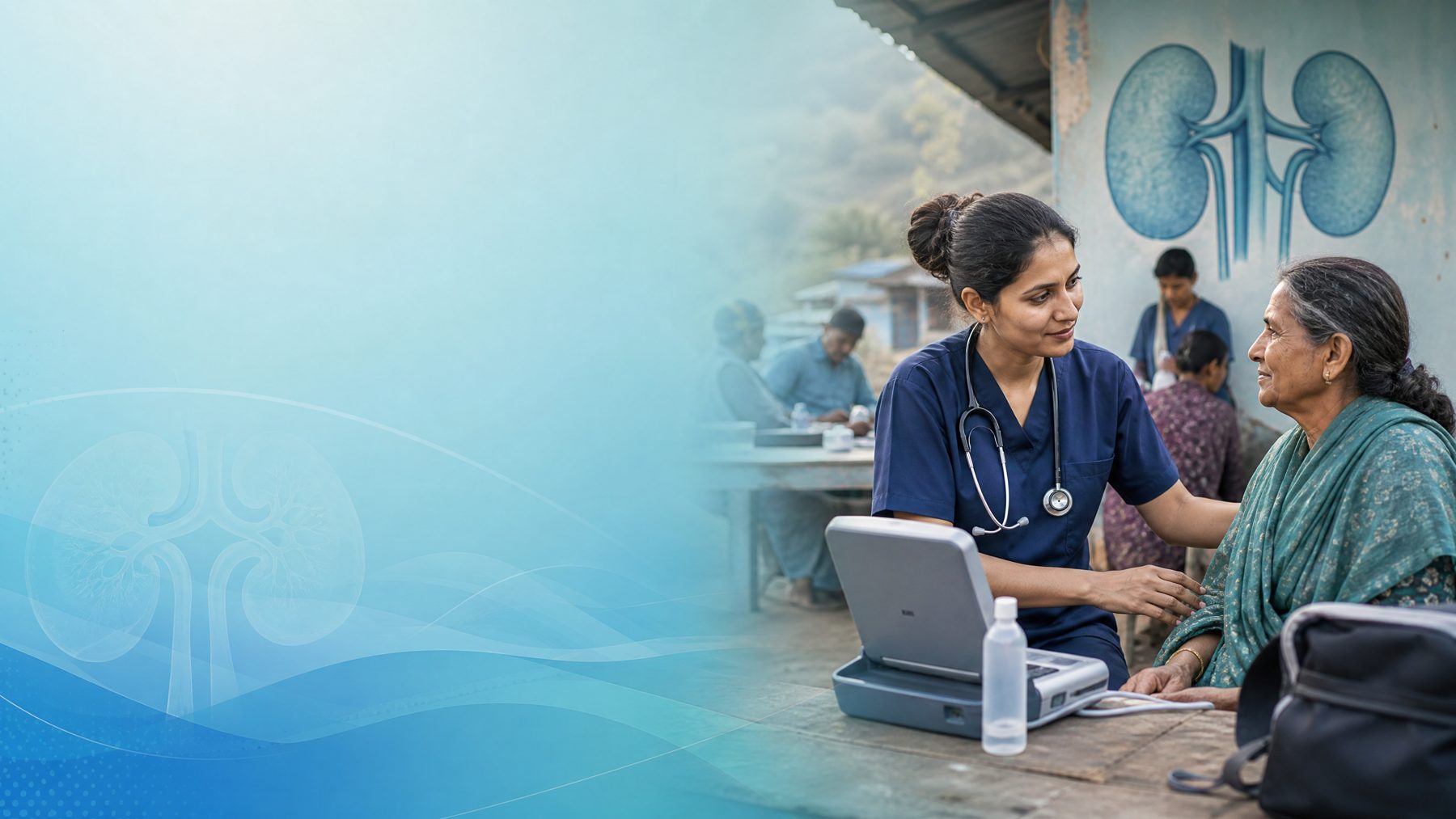
Learning Objectives
By the end of this chapter, learners will be able to:
1. Understand the global burden of kidney disease in under-served populations
2. Identify key resource limitations affecting nephrology care delivery
3. Implement cost-effective diagnostic approaches in resource-limited settings
4. Develop treatment strategies using available resources and generic medications
5. Design community-based prevention and early intervention programs
6. Utilize technology solutions for remote nephrology care
7. Establish sustainable partnerships for capacity building
8. Adapt clinical protocols for resource-constrained environments
Introduction and Global Perspective
Chronic kidney disease represents one of the most significant health challenges facing under-served populations worldwide, with devastating consequences for individuals, families, and healthcare systems. The global burden of kidney disease disproportionately affects low- and middle-income countries, where limited resources, inadequate infrastructure, and competing health priorities create substantial barriers to effective nephrology care.
The World Health Organization estimates that chronic kidney disease affects over 850 million people globally, with the highest prevalence rates observed in regions with limited healthcare resources. Sub-Saharan Africa, parts of Asia, and rural areas of Latin America bear a particularly heavy burden, where the combination of infectious diseases, diabetes, hypertension, and environmental factors contributes to high rates of kidney disease progression.
Under-served areas face unique challenges that extend beyond simple resource scarcity. These regions often lack basic healthcare infrastructure, including reliable electricity, clean water supplies, and transportation networks essential for delivering complex medical care. The shortage of trained healthcare professionals, particularly nephrologists and specialized nurses, creates additional barriers to care delivery and limits the capacity for early detection and intervention.
The economic impact of kidney disease in under-served areas is profound, as families often face catastrophic healthcare expenditures that can perpetuate cycles of poverty. The cost of dialysis and kidney transplantation, when available, frequently exceeds the annual income of entire families, forcing difficult decisions between life-saving treatment and basic survival needs.
Cultural and social factors also play significant roles in shaping kidney disease outcomes in under-served populations. Traditional healing practices, religious beliefs, and gender inequalities can influence healthcare-seeking behaviors and treatment adherence. Understanding and respecting these cultural contexts is essential for developing effective interventions that are both clinically appropriate and culturally acceptable.
The concept of “nephrology in under-served areas” encompasses not only geographic regions with limited resources but also marginalized populations within developed countries who face barriers to accessing specialized care. Rural communities, indigenous populations, and socioeconomically disadvantaged groups often experience similar challenges in accessing timely and appropriate nephrology services.
Global Burden and Epidemiology
The epidemiology of kidney disease in under-served areas reflects complex interactions between genetic predisposition, environmental factors, infectious diseases, and limited access to preventive care. Understanding these patterns is crucial for developing targeted interventions and allocating scarce resources effectively.
Chronic kidney disease prevalence varies significantly across different regions and populations, with some of the highest rates observed in areas with limited healthcare infrastructure. The Global Burden of Disease Study indicates that kidney disease mortality rates are particularly elevated in sub-Saharan Africa, parts of Asia, and certain regions of Latin America, where access to early detection and treatment remains limited.
Diabetes mellitus has emerged as a leading cause of kidney disease globally, with particularly rapid increases observed in developing countries undergoing epidemiological transitions. The rising prevalence of type 2 diabetes in these regions, driven by urbanization, dietary changes, and sedentary lifestyles, has created an emerging epidemic of diabetic kidney disease that strains already limited healthcare resources.
Hypertension represents another major contributor to kidney disease burden in under-served areas, often remaining undiagnosed and untreated due to limited access to blood pressure monitoring and antihypertensive medications. The lack of routine screening programs and health education initiatives contributes to late presentation and advanced disease at the time of diagnosis.
Infectious diseases continue to play significant roles in kidney disease development in many under-served regions. Post-infectious glomerulonephritis following streptococcal infections remains common in areas with poor sanitation and limited access to antibiotics. Malaria, schistosomiasis, and other endemic infections can cause both acute and chronic kidney injury, particularly in tropical and subtropical regions.
Environmental factors unique to certain under-served areas contribute to specific patterns of kidney disease. Chronic kidney disease of unknown etiology, observed in agricultural communities in Central America, Sri Lanka, and other regions, has been linked to environmental toxins, heat stress, and occupational exposures. These conditions highlight the importance of considering local environmental factors when developing prevention strategies.
The burden of acute kidney injury in under-served areas is particularly concerning, as limited access to dialysis and intensive care services results in high mortality rates. Dehydration, infections, and exposure to nephrotoxic substances contribute to high incidence rates, while delayed recognition and treatment lead to poor outcomes.
Pediatric kidney disease presents unique challenges in under-served areas, where congenital anomalies, infections, and malnutrition contribute to high rates of chronic kidney disease in children. The lack of pediatric nephrology expertise and specialized facilities often results in suboptimal care and poor long-term outcomes.
Gender disparities in kidney disease outcomes are particularly pronounced in under-served areas, where cultural factors, economic constraints, and limited access to education disproportionately affect women’s health. Women may face additional barriers to accessing care, including restrictions on mobility and decision-making autonomy.
Resource Limitations and Challenges
Under-served areas face multifaceted resource limitations that create significant barriers to effective nephrology care delivery. Understanding these constraints is essential for developing realistic and sustainable solutions that can improve patient outcomes within existing limitations.
Healthcare infrastructure represents one of the most fundamental challenges in under-served areas. Many regions lack basic facilities equipped to provide even elementary nephrology care, including reliable electricity for laboratory equipment, clean water for dialysis procedures, and adequate space for patient care. The absence of reliable transportation networks further complicates access to specialized services, often requiring patients to travel long distances over difficult terrain.
Human resource shortages represent perhaps the most critical limitation facing nephrology care in under-served areas. The global shortage of nephrologists is particularly acute in low- and middle-income countries, where the ratio of nephrologists to population may be hundreds of times lower than in developed countries. This shortage extends beyond physicians to include specialized nurses, technicians, and other healthcare professionals essential for comprehensive kidney care.
The lack of training opportunities and continuing education programs in under-served areas perpetuates human resource shortages and limits the development of local expertise. Many healthcare professionals trained in these regions migrate to areas with better opportunities and working conditions, creating a “brain drain” that further depletes already limited human resources.
Laboratory and diagnostic capabilities are often severely limited in under-served areas, making it difficult to diagnose kidney disease early and monitor treatment responses effectively. Basic tests such as serum creatinine, urinalysis, and blood pressure measurement may not be readily available, while more sophisticated tests like glomerular filtration rate estimation and proteinuria quantification are often impossible to obtain.
Medication availability and affordability represent major barriers to effective treatment in under-served areas. Essential medications for kidney disease management, including ACE inhibitors, diuretics, and phosphate binders, may be unavailable or prohibitively expensive. The lack of reliable supply chains and quality assurance systems further complicates medication access and safety.
Dialysis services, when available, are often inadequate to meet population needs and may be of suboptimal quality due to resource constraints. The high cost of dialysis equipment, consumables, and maintenance, combined with unreliable electricity and water supplies, makes it difficult to establish and maintain sustainable dialysis programs.
Kidney transplantation is rarely available in under-served areas due to the complex infrastructure, specialized expertise, and ongoing resources required for successful programs. The lack of organ procurement systems, immunosuppressive medications, and long-term follow-up capabilities makes transplantation an unrealistic option for most patients in these settings.
Financial barriers affect both healthcare systems and individual patients in under-served areas. Limited healthcare budgets force difficult decisions about resource allocation, often prioritizing acute care over chronic disease management. Patients and families face catastrophic healthcare expenditures that can lead to financial ruin and treatment abandonment.
Cultural and social barriers can significantly impact the delivery and acceptance of nephrology care in under-served areas. Traditional healing practices, religious beliefs, and cultural attitudes toward illness and treatment may conflict with modern medical approaches, requiring careful navigation and cultural sensitivity.
Educational limitations, including low literacy rates and limited health education, can impair patients’ understanding of their condition and ability to participate effectively in their care. The lack of educational materials in local languages and culturally appropriate formats further compounds these challenges.
Innovative Diagnostic Approaches
Developing effective diagnostic strategies for kidney disease in resource-limited settings requires creativity, adaptability, and a focus on cost-effective approaches that can be implemented with available resources. These strategies must balance diagnostic accuracy with practical feasibility while considering local constraints and capabilities.
Point-of-care testing represents one of the most promising approaches for improving kidney disease diagnosis in under-served areas. Simple, rapid tests that can be performed at the bedside or in basic healthcare facilities can provide immediate results without requiring sophisticated laboratory infrastructure. Urine dipstick testing for proteinuria and hematuria, while basic, can provide valuable screening information when used systematically.
Simplified creatinine testing using portable devices or dried blood spot techniques can enable estimation of kidney function in settings where traditional laboratory services are unavailable. These approaches, while less precise than standard laboratory methods, can provide sufficient information for clinical decision-making and disease monitoring.
Clinical assessment techniques take on increased importance in resource-limited settings where laboratory and imaging studies may be unavailable. Careful history-taking and physical examination can provide valuable diagnostic information, particularly when healthcare providers are trained to recognize early signs and symptoms of kidney disease.
The development of clinical prediction rules and risk stratification tools specifically designed for resource-limited settings can help healthcare providers identify patients at highest risk for kidney disease progression. These tools should incorporate locally relevant risk factors and be validated in the populations where they will be used.
Telemedicine and mobile health technologies offer innovative solutions for extending diagnostic capabilities to remote areas. Smartphone-based applications can facilitate remote consultation with nephrology specialists, enable digital photography for documenting clinical findings, and provide decision support tools for local healthcare providers.
Community-based screening programs can be designed to identify kidney disease early using simple, cost-effective approaches. These programs can utilize trained community health workers to perform basic assessments and refer high-risk individuals for further evaluation, maximizing the reach of limited specialist resources.
Partnerships with reference laboratories in urban centers or other countries can provide access to specialized testing when needed for complex cases. Sample transportation systems and result communication networks can be established to support these partnerships while maintaining cost-effectiveness.
Quality assurance programs for diagnostic testing in resource-limited settings must be adapted to local constraints while maintaining acceptable standards. Simple quality control measures, regular equipment calibration, and ongoing training can help ensure reliable results from available diagnostic tools.
The integration of traditional and modern diagnostic approaches may be necessary in some settings where cultural factors influence healthcare-seeking behaviors. Understanding and respecting traditional healing practices while introducing evidence-based diagnostic methods can improve acceptance and effectiveness of screening programs.
Cost-Effective Treatment Strategies
Developing effective treatment strategies for kidney disease in under-served areas requires careful consideration of cost-effectiveness, resource availability, and sustainability. These strategies must prioritize interventions that provide the greatest benefit for the largest number of patients while remaining within the constraints of available resources.
Prevention and early intervention represent the most cost-effective approaches to reducing the burden of kidney disease in under-served areas. Focusing resources on preventing disease progression rather than treating end-stage complications can provide substantial benefits while remaining financially sustainable.
Blood pressure control using generic antihypertensive medications represents one of the most important and cost-effective interventions for preventing kidney disease progression. ACE inhibitors and angiotensin receptor blockers, when available as generic formulations, can provide significant renoprotective benefits at relatively low cost.
Diabetes management using basic approaches including dietary counseling, lifestyle modification, and generic medications can help prevent diabetic kidney disease progression. Simple interventions such as blood glucose monitoring using basic glucometers and patient education about diabetes self-management can provide substantial benefits.
Dietary counseling and nutritional support can play important roles in kidney disease management, particularly in settings where specialized medications may be unavailable. Protein restriction, sodium limitation, and potassium management can be achieved through dietary modifications that may be more accessible than pharmaceutical interventions.
Generic medication programs can significantly reduce the cost of essential kidney disease treatments. Establishing reliable supply chains for generic ACE inhibitors, diuretics, calcium channel blockers, and other essential medications can make treatment more affordable and accessible.
Simplified treatment protocols that can be implemented by non-specialist healthcare providers can extend the reach of kidney disease care in areas with limited specialist availability. These protocols should be evidence-based but adapted to local resources and capabilities.
Community-based treatment programs can provide ongoing care and support for patients with chronic kidney disease while reducing the burden on specialized facilities. These programs can include medication distribution, blood pressure monitoring, and patient education activities.
Traditional medicine integration, where appropriate and safe, may provide complementary approaches to kidney disease management. Careful evaluation of traditional remedies and practices can identify those that may provide benefits while avoiding potentially harmful interventions.
Palliative care approaches become particularly important in settings where dialysis and transplantation are not available. Providing comfort care, symptom management, and psychosocial support can improve quality of life for patients with advanced kidney disease.
Essential Medications and Generic Alternatives
Access to essential medications represents a critical component of effective kidney disease management in under-served areas. Developing sustainable medication access programs requires careful consideration of cost, availability, quality, and local regulatory requirements.
The World Health Organization’s Essential Medicines List provides a framework for identifying priority medications for kidney disease management that should be available in all healthcare settings. These medications have been selected based on efficacy, safety, and cost-effectiveness considerations.
ACE inhibitors and angiotensin receptor blockers represent the most important medication class for kidney disease management, providing both cardiovascular and renoprotective benefits. Generic formulations of these medications are widely available and can be obtained at significantly lower costs than brand-name alternatives.
Diuretics, particularly thiazide and loop diuretics, are essential for managing fluid overload and hypertension in kidney disease patients. These medications are generally available as inexpensive generic formulations and can provide substantial clinical benefits.
Calcium channel blockers, particularly amlodipine and nifedipine, provide effective blood pressure control and are available as generic medications in most regions. These agents can be particularly useful in patients who cannot tolerate ACE inhibitors or ARBs.
Phosphate binders for managing hyperphosphatemia in advanced kidney disease can be expensive, but generic calcium carbonate provides an affordable alternative for many patients. Simple dietary counseling can complement pharmacological phosphate management.
Erythropoiesis-stimulating agents for managing anemia in kidney disease are often prohibitively expensive in under-served areas. Iron supplementation, when appropriate, can provide a more affordable approach to anemia management, though it may be less effective than specific treatments.
Vitamin D supplementation using generic cholecalciferol or ergocalciferol can help manage bone disease in kidney disease patients at relatively low cost. These preparations are widely available and can provide significant benefits for bone health.
Medication quality assurance represents a critical concern in under-served areas where counterfeit or substandard medications may be common. Establishing reliable supply chains and quality control measures is essential for ensuring medication safety and efficacy.
Local pharmaceutical manufacturing capabilities can help reduce medication costs and improve availability in some regions. Supporting the development of local generic pharmaceutical industries can provide long-term benefits for medication access.
Medication adherence programs are particularly important in under-served areas where patients may face multiple barriers to consistent medication use. These programs can include patient education, simplified dosing regimens, and community support systems.
Community-Based Care Models
Community-based care models represent essential strategies for extending nephrology services to under-served areas where specialist resources are limited. These models leverage local resources and community engagement to provide sustainable, culturally appropriate care that can reach large populations effectively.
Community health worker programs can provide the foundation for extending kidney disease care to remote and under-served areas. These programs train local community members to provide basic health services, including blood pressure monitoring, medication adherence support, and health education activities.
The selection and training of community health workers requires careful consideration of local factors including literacy levels, cultural acceptability, and community leadership structures. Training programs should be practical, culturally appropriate, and focused on skills that can be realistically implemented in the local context.
Task-shifting strategies can enable non-physician healthcare providers to deliver many aspects of kidney disease care under appropriate supervision. Nurses, clinical officers, and other mid-level providers can be trained to manage routine kidney disease care, freeing specialist physicians to focus on complex cases.
Mobile health clinics can bring specialized services to remote areas on a regular basis, providing periodic specialist consultation and care coordination. These clinics can be staffed by visiting specialists or trained local providers and can help bridge the gap between community-based care and specialist services.
Peer support programs can provide valuable psychosocial support and practical assistance for patients with kidney disease. These programs can be particularly effective in managing chronic conditions where ongoing support and motivation are essential for successful outcomes.
Community education programs can raise awareness about kidney disease prevention and early detection while promoting healthy behaviors. These programs should be culturally appropriate and delivered through trusted community channels such as religious organizations, schools, and traditional leadership structures.
Integration with existing community health programs can maximize efficiency and avoid duplication of efforts. Kidney disease prevention and management can be incorporated into existing programs for diabetes, hypertension, and other chronic diseases.
Community-based monitoring and evaluation systems can help track program effectiveness and identify areas for improvement. Simple data collection tools and regular community feedback can provide valuable information for program optimization.
Sustainability planning is essential for ensuring that community-based programs can continue operating over the long term. This includes developing local funding sources, training local leadership, and establishing ongoing support systems.
Technology Solutions and Telemedicine
Technology solutions offer tremendous potential for overcoming geographic and resource barriers in nephrology care delivery. These solutions can extend specialist expertise to remote areas, improve care coordination, and enhance patient education and self-management capabilities.
Telemedicine platforms can connect patients and local healthcare providers with nephrology specialists located in distant urban centers or other countries. These platforms can facilitate real-time consultation, case discussion, and ongoing care coordination while reducing travel costs and time.
Mobile health applications can provide patient education, medication reminders, and self-monitoring tools that help patients manage their kidney disease more effectively. These applications can be designed to work on basic smartphones and can include features such as blood pressure tracking and dietary guidance.
Electronic health records adapted for resource-limited settings can improve care coordination and continuity while reducing paperwork burden. Simple, cloud-based systems can enable information sharing between different healthcare providers and facilities.
Remote monitoring technologies can enable ongoing assessment of patient status without requiring frequent clinic visits. Simple devices for blood pressure monitoring, weight measurement, and other basic parameters can transmit data to healthcare providers for review and intervention.
Artificial intelligence and machine learning applications can provide decision support tools for local healthcare providers, helping them make appropriate treatment decisions and identify patients at high risk for complications. These tools can be particularly valuable in settings where specialist expertise is limited.
Digital imaging and telepathology can enable remote consultation for kidney biopsies and other diagnostic procedures. High-quality digital cameras and transmission systems can allow specialist pathologists to provide interpretations for cases in remote areas.
Online education platforms can provide continuing education opportunities for healthcare providers in under-served areas, helping them stay current with best practices and new developments in nephrology care. These platforms can include interactive modules, case studies, and virtual conferences.
Technology infrastructure requirements must be carefully considered when implementing technology solutions in under-served areas. Reliable internet connectivity, electricity, and technical support are essential for successful technology deployment.
Cost-effectiveness analysis of technology solutions should consider both direct costs and potential savings from improved care delivery and reduced travel requirements. Many technology solutions can provide substantial return on investment over time.
International Partnerships and Capacity Building
International partnerships play crucial roles in developing sustainable nephrology care capabilities in under-served areas. These partnerships can provide technical expertise, financial resources, and ongoing support for capacity building initiatives while respecting local autonomy and cultural contexts.
Sister hospital relationships between institutions in developed and developing countries can provide ongoing collaboration and support for nephrology program development. These relationships can include staff exchanges, training programs, and technical assistance for equipment and procedures.
Academic partnerships between universities and medical schools can support education and research initiatives that build local capacity for nephrology care. These partnerships can include faculty exchanges, curriculum development, and collaborative research projects.
Professional society partnerships can provide access to international expertise and best practices while supporting the development of local nephrology societies and professional networks. These partnerships can include conference participation, guideline development, and continuing education programs.
Non-governmental organizations can provide funding and technical assistance for nephrology program development while advocating for policy changes that support kidney disease prevention and treatment. These organizations can help bridge gaps between international resources and local needs.
Government-to-government partnerships can support large-scale health system strengthening initiatives that include nephrology care development. These partnerships can provide substantial resources for infrastructure development and human resource training.
Pharmaceutical industry partnerships can improve access to essential medications and medical devices while supporting local capacity building. These partnerships should be structured to ensure sustainability and avoid creating dependency relationships.
Training and education programs supported by international partnerships can help develop local expertise in nephrology care. These programs should be designed to meet local needs and should include plans for ongoing support and mentorship.
Technology transfer initiatives can help establish local capabilities for medical device maintenance, pharmaceutical manufacturing, and other technical aspects of nephrology care. These initiatives should include appropriate training and ongoing technical support.
Sustainability planning is essential for ensuring that international partnerships provide lasting benefits rather than creating dependency relationships. Partnerships should include clear timelines for transitioning to local leadership and ongoing support mechanisms.
Prevention and Early Intervention Programs
Prevention and early intervention represent the most cost-effective approaches to reducing the burden of kidney disease in under-served areas. These programs can prevent disease development, slow progression, and reduce the need for expensive treatments while providing benefits for large populations.
Primary prevention programs focus on preventing the development of kidney disease by addressing modifiable risk factors such as diabetes, hypertension, and obesity. These programs can include community education, lifestyle modification support, and screening for early disease detection.
Diabetes prevention programs can significantly reduce the future burden of diabetic kidney disease by preventing or delaying the onset of type 2 diabetes. These programs can include dietary counseling, physical activity promotion, and weight management support delivered through community-based approaches.
Hypertension prevention and control programs can prevent both cardiovascular disease and kidney disease while providing substantial population health benefits. These programs can include blood pressure screening, lifestyle counseling, and medication access programs.
Infectious disease prevention programs can reduce the burden of post-infectious kidney disease by preventing or treating infections that can cause kidney damage. These programs can include vaccination programs, improved sanitation, and early treatment of streptococcal infections.
Occupational health programs can prevent kidney disease related to workplace exposures by identifying and controlling nephrotoxic substances and working conditions. These programs are particularly important in agricultural and industrial settings where kidney disease of unknown etiology has been observed.
Environmental health programs can address environmental factors that contribute to kidney disease development, including water quality improvement, reduction of toxic exposures, and climate change adaptation strategies.
School-based health programs can promote healthy behaviors and early disease detection among children and adolescents, potentially preventing kidney disease development later in life. These programs can include health education, physical activity promotion, and basic health screening.
Women’s health programs can address gender-specific factors that influence kidney disease risk, including pregnancy-related complications and reproductive health issues. These programs can provide important opportunities for early detection and intervention.
Elderly care programs can focus on preventing kidney disease progression and complications in older adults who may be at higher risk for acute kidney injury and other complications. These programs can include medication management, fall prevention, and chronic disease management.
Quality Improvement and Monitoring
Quality improvement and monitoring systems are essential for ensuring that nephrology care in under-served areas meets acceptable standards and continues to improve over time. These systems must be adapted to local constraints while maintaining focus on patient safety and clinical effectiveness.
Quality indicators for nephrology care in resource-limited settings should be practical, measurable, and relevant to local conditions. These indicators might include blood pressure control rates, medication adherence levels, and patient satisfaction measures rather than more complex clinical outcomes.
Data collection systems should be simple and sustainable, utilizing available technology and human resources effectively. Paper-based systems may be more appropriate than electronic systems in some settings, while mobile phone-based data collection may be feasible in others.
Regular monitoring and evaluation activities can help identify areas for improvement and track progress over time. These activities should involve local stakeholders and should be designed to provide actionable information for program improvement.
Peer review and quality assurance programs can help maintain clinical standards while providing ongoing education and support for healthcare providers. These programs can be adapted to local resources and can include case discussions, chart reviews, and clinical audits.
Patient feedback systems can provide valuable information about care quality and patient satisfaction while identifying areas for improvement. These systems should be culturally appropriate and should include mechanisms for addressing patient concerns and complaints.
Continuous quality improvement methodologies can be adapted for use in resource-limited settings, focusing on simple, low-cost interventions that can provide meaningful improvements in care quality. These methodologies should emphasize local ownership and sustainability.
External quality assessment programs can provide objective evaluation of care quality while offering opportunities for learning and improvement. These programs can include site visits, chart reviews, and comparison with established standards or benchmarks.
Research and evaluation activities can generate evidence about effective approaches to nephrology care in under-served areas while contributing to the global knowledge base. These activities should be designed to address local priorities and should include capacity building for local researchers.
Summary
Nephrology care in under-served areas faces significant challenges related to resource limitations, infrastructure constraints, and competing health priorities. However, innovative approaches and creative solutions can help overcome many of these barriers while providing meaningful improvements in patient outcomes.
The global burden of kidney disease disproportionately affects under-served populations, where limited access to prevention, early detection, and treatment services results in high rates of disease progression and poor outcomes. Understanding the epidemiology and risk factors specific to these populations is essential for developing effective interventions.
Resource limitations in under-served areas extend beyond simple financial constraints to include shortages of trained healthcare providers, inadequate infrastructure, limited diagnostic capabilities, and restricted access to essential medications. Addressing these limitations requires comprehensive approaches that consider local contexts and constraints.
Innovative diagnostic approaches utilizing point-of-care testing, clinical assessment techniques, and technology solutions can improve disease detection and monitoring in resource-limited settings. These approaches must balance diagnostic accuracy with practical feasibility and cost-effectiveness.
Cost-effective treatment strategies focusing on prevention, early intervention, and generic medications can provide substantial benefits while remaining within available resources. Community-based care models can extend the reach of specialized services while building local capacity and sustainability.
Technology solutions including telemedicine, mobile health applications, and remote monitoring can help overcome geographic barriers and extend specialist expertise to remote areas. These solutions must be adapted to local infrastructure and technical capabilities.
International partnerships and capacity building initiatives can provide essential support for developing sustainable nephrology care capabilities in under-served areas. These partnerships should emphasize local ownership, cultural sensitivity, and long-term sustainability.
Prevention and early intervention programs represent the most cost-effective approaches to reducing kidney disease burden in under-served areas. These programs can address modifiable risk factors while building community awareness and engagement.
Quality improvement and monitoring systems adapted to local constraints can help ensure that care meets acceptable standards while providing opportunities for continuous improvement. These systems should emphasize practical indicators and sustainable data collection methods.
The development of effective nephrology care in under-served areas requires commitment, creativity, and collaboration among multiple stakeholders. While challenges are significant, innovative approaches and dedicated efforts can provide meaningful improvements in kidney disease prevention, detection, and treatment for vulnerable populations worldwide.
Practical Protocols for Resource-Limited Settings
Developing practical protocols for nephrology care in resource-limited settings requires adaptation of standard clinical guidelines to local constraints while maintaining focus on patient safety and clinical effectiveness. These protocols should be evidence-based but simplified for implementation by non-specialist providers.
Simplified CKD Staging and Management Protocol
Stage 1-2 CKD (GFR >60 mL/min/1.73m²):
1. Assessment:
– Clinical history and physical examination
– Blood pressure measurement (if available)
– Urine dipstick for protein and blood
– Basic blood glucose testing (if diabetic)
- Management:
– Lifestyle counseling (diet, exercise, smoking cessation)
– Blood pressure control using available generic medications
– Diabetes management if present
– Annual follow-up if stable - Referral Criteria:
– Persistent proteinuria (2+ or greater on dipstick)
– Uncontrolled hypertension
– Rapid decline in kidney function
– Complications requiring specialist care
Stage 3-4 CKD (GFR 15-60 mL/min/1.73m²):
1. Assessment:
– More frequent monitoring (every 3-6 months)
– Assessment for complications (anemia, bone disease)
– Medication review for dose adjustments
– Preparation for renal replacement therapy
- Management:
– Aggressive blood pressure control
– Protein restriction if feasible
– Phosphate restriction and calcium supplementation
– Iron supplementation for anemia
– Preparation for dialysis or conservative care
Stage 5 CKD (GFR <15 mL/min/1.73m²):
1. Assessment:
– Evaluation for dialysis candidacy
– Assessment of family support and resources
– Discussion of treatment options and prognosis
– Palliative care consultation if appropriate
- Management:
– Symptom management and supportive care
– Dialysis if available and appropriate
– Conservative management if dialysis not available
– Family education and support
Hypertension Management Protocol for CKD
First-Line Therapy:
1. ACE Inhibitors (if available):
– Lisinopril 5-10 mg daily, titrate to 20-40 mg daily
– Monitor for hyperkalemia and acute kidney injury
– Reduce dose if creatinine increases >30%
- Alternative: Calcium Channel Blockers:
– Amlodipine 2.5-5 mg daily, titrate to 10 mg daily
– Nifedipine extended-release 30-60 mg daily
– Monitor for peripheral edema
Second-Line Therapy:
1. Thiazide Diuretics:
– Hydrochlorothiazide 12.5-25 mg daily
– Monitor for hypokalemia and hyperuricemia
– Less effective if GFR <30 mL/min/1.73m²
- Loop Diuretics (if fluid overload):
– Furosemide 20-40 mg daily
– Adjust dose based on response
– Monitor for dehydration and electrolyte imbalance
Target Blood Pressure:
– <140/90 mmHg for most patients
– <130/80 mmHg if proteinuria present
– Individualize based on age and comorbidities
Diabetes Management in CKD Protocol
Blood Glucose Monitoring:
1. Basic Monitoring:
– Fasting glucose when possible
– Random glucose if fasting not feasible
– Urine glucose testing if blood testing unavailable
– HbA1c if available (every 6 months)
- Target Goals:
– Fasting glucose 80-130 mg/dL
– Random glucose <180 mg/dL
– HbA1c <7% (individualize based on life expectancy)
Medication Management:
1. First-Line: Metformin
– 500-1000 mg twice daily with meals
– Reduce dose if GFR <45 mL/min/1.73m²
– Discontinue if GFR <30 mL/min/1.73m²
- Second-Line: Sulfonylureas
– Glipizide 2.5-10 mg daily
– Reduce dose in advanced CKD
– Monitor for hypoglycemia - Insulin (if available):
– NPH insulin 10-20 units at bedtime
– Adjust dose based on glucose levels
– Reduce dose as kidney function declines
Anemia Management Protocol
Assessment:
1. Clinical Evaluation:
– Symptoms: fatigue, weakness, shortness of breath
– Physical signs: pallor, tachycardia
– Hemoglobin level if available
- Basic Workup:
– Complete blood count if available
– Iron studies if feasible
– Stool examination for blood
Treatment:
1. Iron Supplementation:
– Ferrous sulfate 325 mg daily
– Take with vitamin C to enhance absorption
– Monitor for gastrointestinal side effects
- Dietary Counseling:
– Iron-rich foods (meat, leafy greens, legumes)
– Vitamin C-rich foods to enhance absorption
– Avoid tea and coffee with iron-rich meals - Treatment of Underlying Causes:
– Treat gastrointestinal bleeding if present
– Address nutritional deficiencies
– Manage chronic inflammation
Bone Disease Management Protocol
Assessment:
1. Clinical Evaluation:
– Bone pain and muscle weakness
– History of fractures
– Growth retardation in children
- Laboratory Testing (if available):
– Serum calcium and phosphorus
– Alkaline phosphatase
– Parathyroid hormone (if available)
Treatment:
1. Phosphate Management:
– Dietary phosphate restriction
– Calcium carbonate 500-1000 mg with meals
– Avoid phosphate-rich foods (dairy, nuts, cola)
- Calcium Supplementation:
– Calcium carbonate 1-2 grams daily
– Divide doses throughout the day
– Monitor for hypercalcemia - Vitamin D Supplementation:
– Cholecalciferol 1000-2000 IU daily
– Calcitriol 0.25 mcg daily if available
– Monitor calcium levels
Fluid and Electrolyte Management
Fluid Management:
1. Assessment:
– Daily weights if scale available
– Clinical assessment of volume status
– Blood pressure monitoring
- Fluid Restriction:
– 1-1.5 L daily if fluid overloaded
– Adjust based on urine output
– Include all fluid sources - Diuretic Therapy:
– Furosemide 20-80 mg daily
– Adjust dose based on response
– Monitor for dehydration
Potassium Management:
1. Hyperkalemia:
– Dietary potassium restriction
– Avoid high-potassium foods
– Calcium polystyrene sulfonate if available
- Hypokalemia:
– Potassium-rich foods
– Potassium supplements if available
– Address underlying causes
Emergency Management Protocols
Acute Kidney Injury:
1. Assessment:
– Rapid decline in urine output
– Rising creatinine if available
– Volume status evaluation
- Management:
– Identify and treat underlying causes
– Optimize fluid status
– Avoid nephrotoxic medications
– Urgent referral if available
Severe Hyperkalemia:
1. Recognition:
– Muscle weakness, paralysis
– Cardiac arrhythmias
– ECG changes if available
- Treatment:
– Calcium gluconate if available
– Insulin and glucose if available
– Sodium bicarbonate if acidotic
– Urgent dialysis if available
Pulmonary Edema:
1. Assessment:
– Shortness of breath, orthopnea
– Bilateral lung crackles
– Elevated blood pressure
- Management:
– Upright positioning
– High-dose diuretics
– Blood pressure control
– Oxygen if available
Low-Cost Equipment and Supplies
Establishing nephrology care capabilities in resource-limited settings requires careful selection of equipment and supplies that provide maximum clinical benefit while remaining affordable and sustainable. These selections should prioritize versatility, durability, and ease of maintenance.
Essential Diagnostic Equipment
Blood Pressure Monitoring:
1. Manual Sphygmomanometers:
– Aneroid manometers (more durable than mercury)
– Multiple cuff sizes for different patient populations
– Regular calibration and maintenance protocols
- Automated Devices:
– Battery-operated devices for areas without electricity
– Validated devices with proven accuracy
– Solar charging capabilities where feasible
Urine Testing:
1. Dipstick Testing:
– Multi-parameter dipsticks for protein, blood, glucose
– Proper storage to prevent degradation
– Quality control procedures
- Microscopy:
– Basic light microscopes for urine sediment examination
– Simple staining techniques
– Training for healthcare providers
Basic Laboratory Testing:
1. Point-of-Care Devices:
– Handheld glucose meters
– Portable hemoglobin analyzers
– Basic chemistry analyzers for creatinine
- Sample Collection:
– Appropriate containers and preservatives
– Cold chain maintenance for samples
– Transportation systems to reference laboratories
Treatment Equipment
Medication Storage:
1. Refrigeration:
– Solar-powered refrigerators for insulin storage
– Temperature monitoring systems
– Backup power sources
- Pharmacy Supplies:
– Proper medication storage containers
– Inventory management systems
– Expiration date tracking
Patient Monitoring:
1. Scales:
– Accurate scales for weight monitoring
– Pediatric scales for children
– Regular calibration procedures
- Basic Supplies:
– Thermometers
– Stethoscopes
– Blood pressure cuffs
Dialysis Equipment (Where Feasible)
Water Treatment:
1. Basic Filtration:
– Multi-stage filtration systems
– Regular filter replacement schedules
– Water quality testing protocols
- Alternative Approaches:
– Peritoneal dialysis supplies
– Home-based treatment options
– Simplified training programs
Equipment Maintenance:
1. Preventive Maintenance:
– Regular cleaning and calibration schedules
– Local technical training programs
– Spare parts availability
- Repair Services:
– Local technical support networks
– Equipment replacement planning
– Warranty and service agreements
Training and Education Programs
Developing effective training and education programs for nephrology care in under-served areas requires careful consideration of local educational levels, cultural contexts, and available resources. These programs should be practical, culturally appropriate, and sustainable.
Healthcare Provider Training
Basic Nephrology Training:
1. Target Audience:
– Primary care physicians
– Nurses and clinical officers
– Community health workers
- Core Competencies:
– Recognition of kidney disease signs and symptoms
– Basic diagnostic approaches
– Treatment protocols for common conditions
– When to refer for specialist care - Training Methods:
– Hands-on workshops
– Case-based learning
– Mentorship programs
– Continuing education activities
Specialized Training Programs:
1. Advanced Skills:
– Peritoneal dialysis training
– Vascular access management
– Emergency management protocols
- Training Infrastructure:
– Regional training centers
– Mobile training units
– Distance learning programs
Patient Education Programs
Disease Education:
1. Content Areas:
– Understanding kidney disease
– Importance of medication adherence
– Dietary modifications
– Lifestyle changes
- Educational Methods:
– Group education sessions
– Peer support programs
– Visual aids and demonstrations
– Family involvement
Self-Management Training:
1. Skills Development:
– Blood pressure monitoring
– Medication management
– Symptom recognition
– When to seek care
- Support Systems:
– Patient support groups
– Family education programs
– Community health worker support
Community Education
Prevention Programs:
1. Target Populations:
– School-age children
– High-risk adults
– Community leaders
- Key Messages:
– Diabetes and hypertension prevention
– Early detection importance
– Healthy lifestyle promotion
Awareness Campaigns:
1. Communication Channels:
– Radio and television programs
– Community meetings
– Religious and cultural gatherings
– Social media where available
- Cultural Adaptation:
– Local language materials
– Culturally appropriate messaging
– Traditional leader involvement
Sustainable Financing Models
Developing sustainable financing models for nephrology care in under-served areas requires innovative approaches that consider local economic conditions, healthcare system structures, and available funding sources. These models should promote long-term sustainability while ensuring equitable access to care.
Government Funding Models
National Health Insurance:
1. Coverage Expansion:
– Include kidney disease in essential benefit packages
– Graduated coverage based on disease severity
– Preventive care coverage to reduce long-term costs
- Cost-Effectiveness:
– Focus on prevention and early intervention
– Generic medication formularies
– Simplified treatment protocols
Public-Private Partnerships:
1. Infrastructure Development:
– Private sector investment in healthcare facilities
– Government provision of ongoing operational support
– Shared risk and benefit arrangements
- Service Delivery:
– Private management of public facilities
– Performance-based contracting
– Quality assurance mechanisms
Community-Based Financing
Community Health Insurance:
1. Risk Pooling:
– Community-based insurance schemes
– Graduated premium structures
– Cross-subsidization mechanisms
- Local Ownership:
– Community governance structures
– Local decision-making processes
– Cultural appropriateness
Microfinance Programs:
1. Healthcare Loans:
– Small loans for medical expenses
– Flexible repayment terms
– Group lending models
- Savings Programs:
– Health savings accounts
– Community savings groups
– Emergency fund development
International Funding
Development Aid:
1. Bilateral Assistance:
– Government-to-government funding
– Technical assistance programs
– Capacity building support
- Multilateral Organizations:
– World Bank health projects
– UN agency programs
– Regional development banks
Philanthropic Funding:
1. Foundation Support:
– Large foundation grants
– Targeted program funding
– Innovation support
- Individual Donations:
– Crowdfunding platforms
– Diaspora contributions
– Religious organization support
Innovative Financing Mechanisms
Results-Based Financing:
1. Performance Payments:
– Payments based on health outcomes
– Quality indicators
– Coverage targets
- Impact Bonds:
– Social impact bonds for health programs
– Private sector investment
– Government outcome payments
Technology-Enabled Financing:
1. Mobile Money:
– Mobile payment systems for healthcare
– Reduced transaction costs
– Improved financial inclusion
- Digital Health Insurance:
– Technology-enabled insurance products
– Simplified enrollment processes
– Real-time claims processing
Success Stories and Case Studies
Examining successful nephrology programs in under-served areas provides valuable insights into effective strategies and approaches that can be adapted to other settings. These case studies demonstrate that significant improvements in kidney disease care are possible even in resource-constrained environments.
Case Study 1: Community-Based CKD Program in Rural Guatemala
Background:
A rural region in Guatemala with limited healthcare infrastructure and high rates of chronic kidney disease of unknown etiology implemented a comprehensive community-based program to address the growing burden of kidney disease.
Intervention:
1. Community Health Worker Training:
– Trained local community members to perform basic health assessments
– Provided simple diagnostic tools and protocols
– Established referral systems to regional healthcare facilities
- Prevention Programs:
– Implemented workplace safety measures in agricultural settings
– Provided education about heat stress prevention
– Established clean water access programs - Treatment Support:
– Developed medication access programs for essential drugs
– Provided transportation support for dialysis patients
– Established palliative care services
Outcomes:
– 40% reduction in acute kidney injury hospitalizations
– Improved early detection of chronic kidney disease
– Enhanced quality of life for patients with advanced disease
– Sustainable program operation after 5 years
Key Success Factors:
– Strong community engagement and ownership
– Integration with existing health programs
– Sustainable financing through multiple sources
– Ongoing technical support and training
Case Study 2: Telemedicine Nephrology Network in Sub-Saharan Africa
Background:
A network of rural hospitals in sub-Saharan Africa established a telemedicine program to provide nephrology consultation and support for patients with kidney disease.
Intervention:
1. Technology Infrastructure:
– Installed satellite internet connections in participating hospitals
– Provided tablet computers and basic diagnostic equipment
– Established secure communication platforms
- Clinical Protocols:
– Developed simplified treatment protocols for common conditions
– Created decision support tools for local providers
– Established emergency consultation procedures - Training Programs:
– Provided remote training for local healthcare providers
– Conducted regular case conferences and educational sessions
– Developed mentorship relationships between specialists and local providers
Outcomes:
– 60% reduction in unnecessary patient transfers
– Improved treatment adherence and outcomes
– Enhanced local provider confidence and skills
– Cost savings for patients and healthcare system
Key Success Factors:
– Reliable technology infrastructure
– Strong partnerships between urban and rural facilities
– Ongoing technical support and maintenance
– Integration with existing healthcare delivery systems
Case Study 3: Generic Medication Access Program in Southeast Asia
Background:
A regional program in Southeast Asia addressed medication access barriers by establishing a generic medication procurement and distribution system for kidney disease treatments.
Intervention:
1. Procurement System:
– Negotiated bulk purchasing agreements for generic medications
– Established quality assurance procedures
– Developed regional distribution networks
- Financing Mechanisms:
– Created revolving loan funds for medication purchases
– Established sliding fee scales based on ability to pay
– Secured government subsidies for essential medications - Quality Assurance:
– Implemented medication quality testing procedures
– Established adverse event reporting systems
– Provided training on proper medication storage and handling
Outcomes:
– 70% reduction in medication costs for patients
– Improved medication adherence rates
– Reduced disease progression and complications
– Sustainable program operation across multiple countries
Key Success Factors:
– Regional cooperation and coordination
– Strong quality assurance systems
– Sustainable financing mechanisms
– Government policy support
Case Study 4: Peritoneal Dialysis Program in Rural India
Background:
A rural region in India with limited hemodialysis capacity developed a home-based peritoneal dialysis program to provide renal replacement therapy for patients with end-stage kidney disease.
Intervention:
1. Patient Selection:
– Developed criteria for peritoneal dialysis candidacy
– Assessed family support and home environment
– Provided comprehensive patient and family education
- Training Programs:
– Trained patients and families in peritoneal dialysis techniques
– Established ongoing support and monitoring systems
– Developed troubleshooting protocols for common problems - Supply Chain:
– Negotiated reduced pricing for peritoneal dialysis supplies
– Established reliable delivery systems to rural areas
– Created emergency supply procedures
Outcomes:
– Increased access to renal replacement therapy by 300%
– Improved quality of life for patients and families
– Reduced healthcare costs compared to hemodialysis
– High patient and family satisfaction rates
Key Success Factors:
– Comprehensive patient and family training
– Reliable supply chain management
– Ongoing clinical support and monitoring
– Cost-effective treatment delivery model
Future Directions and Innovations
The future of nephrology care in under-served areas will likely be shaped by technological innovations, new treatment approaches, and evolving healthcare delivery models. Understanding these trends can help guide planning and investment decisions for sustainable program development.
Technological Innovations
Artificial Intelligence Applications:
1. Diagnostic Support:
– AI-powered diagnostic tools for kidney disease detection
– Automated analysis of laboratory results and imaging studies
– Risk prediction models for disease progression
- Treatment Optimization:
– Personalized treatment recommendations
– Medication dosing algorithms
– Outcome prediction models
Portable Diagnostic Devices:
1. Point-of-Care Testing:
– Smartphone-based diagnostic tools
– Portable ultrasound devices
– Rapid laboratory testing systems
- Wearable Technology:
– Continuous monitoring devices
– Early warning systems for complications
– Patient self-monitoring tools
Treatment Innovations
Simplified Dialysis Systems:
1. Portable Dialysis:
– Wearable artificial kidney devices
– Simplified hemodialysis machines
– Solar-powered dialysis systems
- Alternative Therapies:
– Regenerative medicine approaches
– Gene therapy for inherited kidney diseases
– Immunotherapy for autoimmune conditions
Drug Development:
1. Novel Therapeutics:
– Targeted therapies for specific kidney diseases
– Combination therapies for improved outcomes
– Preventive medications for high-risk populations
- Drug Delivery Systems:
– Long-acting formulations
– Implantable drug delivery devices
– Targeted drug delivery systems
Healthcare Delivery Innovations
Integrated Care Models:
1. Chronic Disease Management:
– Integrated programs for diabetes, hypertension, and kidney disease
– Shared care protocols between specialists and primary care
– Community-based chronic disease management
- Prevention-Focused Systems:
– Population health management approaches
– Risk stratification and targeted interventions
– Health promotion and disease prevention programs
Financing Innovations:
1. Value-Based Care:
– Payment models based on health outcomes
– Shared savings programs
– Risk-sharing arrangements
- Technology-Enabled Financing:
– Blockchain-based health insurance
– Cryptocurrency payment systems
– Automated claims processing
Capacity Building Innovations
Education and Training:
1. Virtual Reality Training:
– Immersive training experiences
– Simulation-based learning
– Remote skills assessment
- Adaptive Learning Systems:
– Personalized education programs
– Competency-based training
– Continuous learning platforms
Knowledge Sharing:
1. Global Networks:
– International collaboration platforms
– Best practice sharing systems
– Research collaboration networks
- Open Source Solutions:
– Open source medical devices
– Shared treatment protocols
– Collaborative innovation platforms
CLINICAL PEARLS
- Start with the clinical pattern and tempo before selecting disease-specific tests.
- Match diagnostic intensity to urgency, reversibility, and whether the result will change management.
- Reassess kidney function, complications, treatment response, and patient context over time.
Clinical workflow diagram
Use the visual materials to connect the chapter narrative to a stepwise clinical reasoning pathway.
Question 1
What is the first priority in resource-limited kidney care?
Answer: Prevention, early recognition, and feasible screening.
Question 2
How should diagnostic testing be selected?
Answer: Match the test to the clinical question and available referral pathway.
Question 3
Which emergencies require rapid stabilization?
Answer: Severe hyperkalemia, pulmonary edema, severe acidosis, and uremic complications.
Question 4
What is a tiered referral system designed to do?
Answer: Direct patients to the appropriate level of care without avoidable delay.
Question 5
Why are essential medicines important?
Answer: Reliable access reduces preventable progression and treatment interruption.
Question 6
What role can telemedicine play?
Answer: It can extend specialist advice, triage, education, and follow-up when connectivity permits.
Question 7
What is a sustainable program metric?
Answer: Patient-centered outcomes such as timely referral, blood-pressure control, retention, and survival.
Question 8
Why is local training important?
Answer: It strengthens early recognition, safe stabilization, and continuity of care.
Question 9
What should emergency protocols emphasize?
Answer: A short, feasible sequence for recognition, stabilization, referral, and reassessment.
Question 10
What is the central systems lesson?
Answer: Quality care adapts evidence-based priorities to local resources without abandoning safety.
POWERPOINT PRESENTATION
A teaching presentation accompanies this chapter in the Kidney Hub Clinical Series. It follows the sequence: pattern recognition, targeted evaluation, management priorities, monitoring, and clinical takeaways.
Visual Learning Workflow
