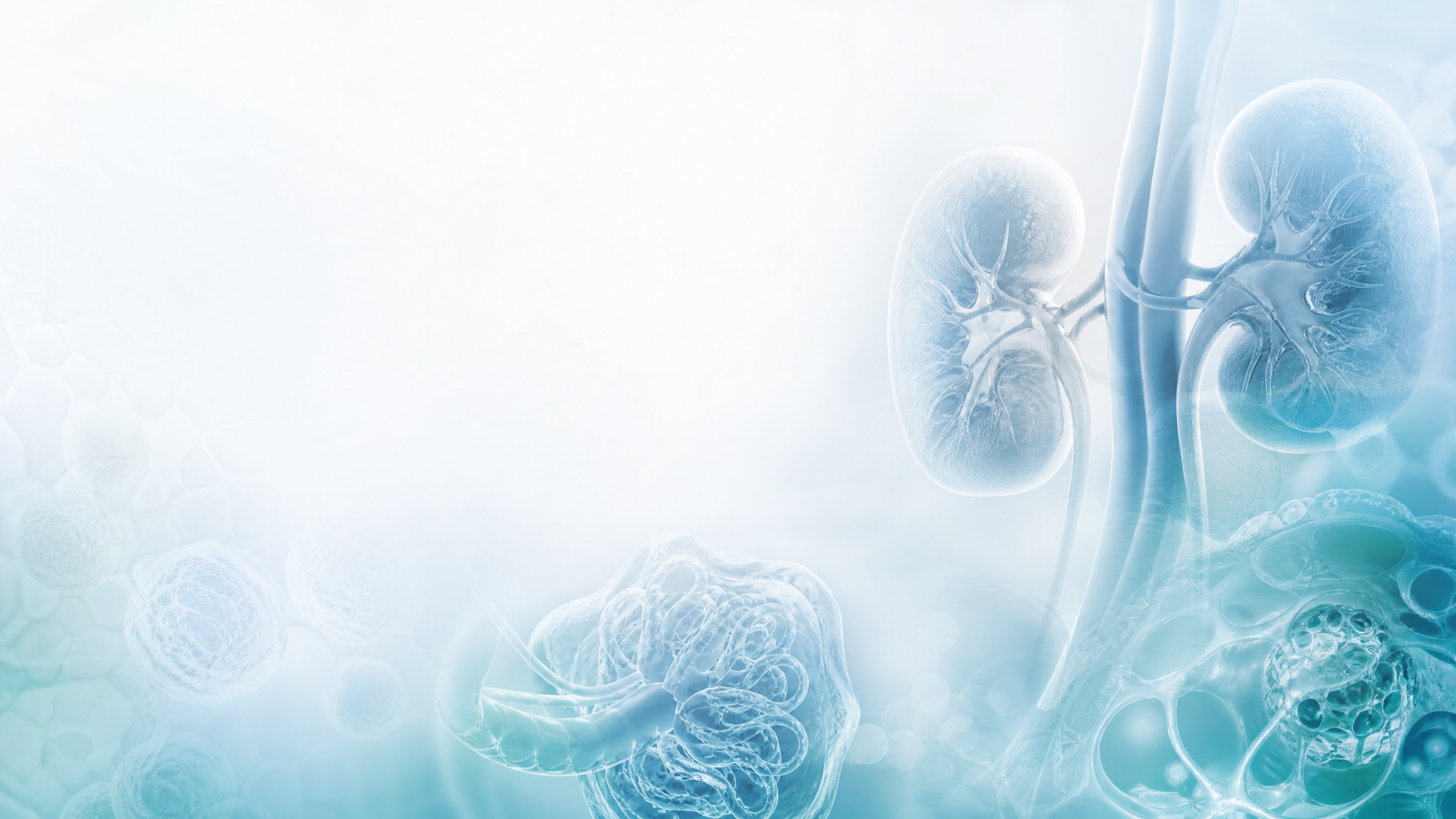
Chapter 34: Uremic Toxins and Their Impact – Complete Educational Package
Learning Objectives
By the end of this chapter, learners will be able to:
1. Define uremic toxins and understand their classification.
2. Identify the major sources and accumulation mechanisms of uremic toxins in chronic kidney disease (CKD).
3. Discuss the systemic impact of uremic toxins on various organ systems.
4. Outline current and emerging strategies for reducing uremic toxin burden.
5. Recognize the importance of uremic toxin management in improving patient outcomes.
34.1 Definition and Classification of Uremic Toxins
Uremic toxins are a heterogeneous group of compounds that accumulate in the body due to impaired renal clearance in patients with kidney failure. These substances contribute to the systemic complications of uremia.
Classification based on physicochemical properties:
- Small, Water-Soluble Molecules: Molecular weight <500 Da, easily removed by conventional dialysis (e.g., urea, creatinine, uric acid).
- Protein-Bound Solutes: Molecular weight <500 Da, but highly bound to plasma proteins (e.g., albumin), making them difficult to remove by conventional dialysis (e.g., indoxyl sulfate, p-cresyl sulfate, hippuric acid).
- Middle Molecules: Molecular weight >500 Da (up to 60,000 Da), typically peptides and small proteins, partially removed by conventional dialysis, better removed by hemodiafiltration (e.g., β2-microglobulin, parathyroid hormone).
34.2 Sources and Accumulation Mechanisms
Uremic toxins originate from various sources:
- Endogenous Metabolism: Products of normal cellular metabolism (e.g., urea from protein catabolism, creatinine from muscle metabolism).
- Gut Microbiota: A significant source of protein-bound uremic toxins. Bacterial fermentation of dietary proteins (e.g., tryptophan, tyrosine, phenylalanine) in the gut produces precursors (e.g., indole, p-cresol), which are then metabolized in the liver to form protein-bound toxins (e.g., indoxyl sulfate, p-cresyl sulfate).
- Dietary Intake: Certain dietary components can contribute to toxin load.
In CKD, the accumulation of these toxins is primarily due to:
– Reduced Glomerular Filtration: Decreased kidney function directly impairs the filtration and excretion of toxins.
– Impaired Tubular Secretion: Renal tubules play a role in secreting some toxins, which is also compromised in CKD.
34.3 Systemic Impact of Uremic Toxins
Uremic toxins exert widespread detrimental effects on almost every organ system, contributing to the clinical manifestations of uremia.
- Cardiovascular System: Promote endothelial dysfunction, vascular calcification, oxidative stress, inflammation, and contribute to atherosclerosis, hypertension, and heart failure.
- Nervous System: Contribute to uremic encephalopathy, cognitive impairment, peripheral neuropathy, and restless legs syndrome.
- Immune System: Impair both innate and adaptive immunity, leading to increased susceptibility to infections and impaired vaccine response.
- Gastrointestinal System: Contribute to gut dysbiosis, increased gut permeability, and gastrointestinal symptoms.
- Endocrine System: Affect hormone metabolism and action, contributing to insulin resistance, secondary hyperparathyroidism, and reproductive dysfunction.
- Bone and Mineral Metabolism: Contribute to CKD-MBD.
- Hematopoietic System: Contribute to anemia and platelet dysfunction.
34.4 Strategies for Reducing Uremic Toxin Burden
Reducing the burden of uremic toxins is a key goal in CKD management.
- Dietary Protein Restriction: Modest protein restriction can reduce the generation of nitrogenous waste products and gut-derived toxins. However, it must be carefully managed to avoid malnutrition.
- Dialysis:
- Hemodialysis: Effective at removing small, water-soluble toxins. Less efficient for protein-bound and middle molecules.
- Peritoneal Dialysis: Provides continuous removal, effective for small and some middle molecules.
- Hemodiafiltration: More efficient at removing middle molecules than conventional hemodialysis due to convective clearance.
- Adsorbents (Oral Sorbents): Non-absorbable compounds that bind toxins in the gastrointestinal tract, preventing their absorption. Examples include activated charcoal, AST-120 (spherical carbon adsorbent), and sevelamer (which also binds phosphate).
- Gut Microbiota Modulation:
- Probiotics/Prebiotics/Synbiotics: Aim to shift gut microbiota composition to reduce uremic toxin production.
- Dietary Fiber: Promotes beneficial gut bacteria and can reduce protein fermentation.
- Kidney Transplantation: The most effective method for normalizing uremic toxin levels.
34.5 Importance of Uremic Toxin Management
Managing uremic toxins is crucial for:
– Improving Clinical Outcomes: Reducing the burden of toxins can alleviate uremic symptoms, slow disease progression, and improve cardiovascular health.
– Enhancing Quality of Life: By mitigating the systemic effects of uremia.
– Personalized Medicine: Tailoring treatment strategies based on individual toxin profiles and patient needs.
Key Points on Uremic Toxins and Their Impact
- Definition: Compounds accumulating due to impaired renal clearance, causing systemic complications.
- Classification: Small water-soluble, protein-bound, and middle molecules.
- Sources: Endogenous metabolism, gut microbiota (significant for protein-bound toxins), diet.
- Accumulation: Primarily due to reduced GFR and impaired tubular secretion.
- Systemic Impact: Affect cardiovascular, nervous, immune, GI, endocrine, bone, and hematopoietic systems.
- Reduction Strategies: Dietary protein restriction, dialysis (hemodiafiltration for middle molecules), oral adsorbents, gut microbiota modulation, kidney transplantation.
- Importance: Improves clinical outcomes, quality of life, and allows for personalized management.
Uremic Toxins Quick Guide
- Toxic Buildup: Kidneys can’t clear waste.
- Gut is Key: Many toxins come from gut bacteria.
- Body-Wide Damage: Affects heart, brain, immune system.
- Dialysis Helps: But not for all toxins (protein-bound are tricky).
- Diet & Sorbents: Can reduce toxin load.
- Transplant Best: Normalizes toxin levels.
Diagnostic Pearls
- Clinical Suspicion: Recognize that many uremic symptoms (e.g., fatigue, itching, cognitive changes) are non-specific but can be clues to uremic toxin accumulation.
- Protein-Bound Toxins: Remember that conventional dialysis is inefficient at removing protein-bound toxins. Clinical improvement may not correlate directly with urea reduction.
- Gut Dysbiosis: Consider the role of gut dysbiosis in patients with refractory uremic symptoms, even with adequate dialysis.
Management Pearls
- Individualized Protein Restriction: Implement protein restriction cautiously, ensuring adequate nutritional intake to prevent malnutrition.
- Oral Adsorbents: Consider oral adsorbents as an adjunct therapy, especially for protein-bound toxins, but be mindful of potential gastrointestinal side effects and drug interactions.
- Dialysis Modality: For patients with significant middle molecule burden or persistent uremic symptoms, consider hemodiafiltration over conventional hemodialysis.
Patient Education Pearls
- Dietary Choices: Educate patients on dietary choices that can help reduce uremic toxin production, such as limiting red meat and processed foods, and increasing fiber intake.
- Symptom Reporting: Encourage patients to report all symptoms, even seemingly minor ones, as they may be related to uremic toxicity.
- Gut Health: Discuss the importance of gut health and the potential role of prebiotics/probiotics in managing uremic symptoms.
Pathophysiology of Uremic Toxins and Their Systemic Impact
Diagram illustrating the sources, accumulation, and systemic effects of uremic toxins in chronic kidney disease.
Key Diagrams
- Classification of Uremic Toxins: Infographic showing the different classes of uremic toxins based on molecular weight and protein binding.
- Gut-Kidney Axis: Diagram illustrating the interplay between gut microbiota and kidney function in uremic toxin generation.
- Dialysis Modalities and Toxin Removal: Chart comparing the efficiency of different dialysis modalities in removing various classes of uremic toxins.
Question 1
Which of the following classes of uremic toxins is most challenging to remove by conventional hemodialysis?
A) Small, water-soluble molecules
B) Protein-bound solutes
C) Middle molecules
D) Electrolytes
Answer: B) Protein-bound solutes
Explanation: Protein-bound solutes are highly bound to plasma proteins, limiting their free concentration and making them difficult to remove by conventional dialysis.
Question 2
What is a significant source of protein-bound uremic toxins in patients with chronic kidney disease?
A) Endogenous glucose metabolism
B) Gut microbiota fermentation of dietary proteins
C) Renal tubular reabsorption
D) Dietary fat intake
Answer: B) Gut microbiota fermentation of dietary proteins
Explanation: Gut bacteria ferment dietary proteins, producing precursors that are then metabolized into protein-bound uremic toxins like indoxyl sulfate and p-cresyl sulfate.
Question 3
Which organ system is NOT typically affected by the accumulation of uremic toxins?
A) Cardiovascular system
B) Nervous system
C) Immune system
D) Pulmonary system (directly)
Answer: D) Pulmonary system (directly)
Explanation: While uremia can indirectly affect the pulmonary system (e.g., uremic pleuritis, pulmonary edema due to fluid overload), uremic toxins do not typically have a direct primary toxic effect on the pulmonary system in the same way they do on other systems.
Question 4
Which dialysis modality is generally more efficient at removing middle molecules?
A) Conventional hemodialysis
B) Peritoneal dialysis
C) Hemodiafiltration
D) Intermittent hemodialysis
Answer: C) Hemodiafiltration
Explanation: Hemodiafiltration combines diffusive and convective clearance, making it more efficient at removing middle molecules compared to conventional hemodialysis.
Question 5
Which of the following is a potential strategy for reducing the burden of gut-derived uremic toxins?
A) Increasing dietary protein intake
B) Using oral adsorbents
C) Reducing dialysis frequency
D) Avoiding dietary fiber
Answer: B) Using oral adsorbents
Explanation: Oral adsorbents bind toxins in the GI tract, preventing their absorption and reducing the systemic toxin burden.
Question 6
Which of the following uremic toxins is a product of protein catabolism and is commonly used as a marker of renal function?
A) Indoxyl sulfate
B) p-Cresyl sulfate
C) Urea
D) Beta2-microglobulin
Answer: C) Urea
Explanation: Urea is a small, water-soluble molecule, a primary product of protein catabolism, and its accumulation is a hallmark of uremia.
Question 7
Uremic toxins contribute to cardiovascular disease in CKD patients by promoting all of the following EXCEPT:
A) Endothelial dysfunction
B) Vascular calcification
C) Oxidative stress
D) Increased nitric oxide production
Answer: D) Increased nitric oxide production
Explanation: Uremic toxins typically contribute to endothelial dysfunction by reducing nitric oxide bioavailability, not increasing its production.
Question 8
Which of the following is the most effective method for normalizing uremic toxin levels?
A) High-dose hemodialysis
B) Oral adsorbents
C) Kidney transplantation
D) Dietary protein restriction alone
Answer: C) Kidney transplantation
Explanation: Kidney transplantation provides the most complete restoration of renal function, leading to the most effective normalization of uremic toxin levels.
Question 9
What is the primary mechanism of accumulation of uremic toxins in CKD?
A) Increased production by the liver
B) Reduced glomerular filtration and impaired tubular secretion
C) Increased dietary intake of toxins
D) Enhanced reabsorption in the gastrointestinal tract
Answer: B) Reduced glomerular filtration and impaired tubular secretion
Explanation: The impaired ability of the diseased kidneys to filter and secrete waste products is the primary reason for uremic toxin accumulation.
Question 10
Which of the following is a non-absorbable compound that binds toxins in the gastrointestinal tract?
A) Probiotics
B) Prebiotics
C) Oral sorbents
D) Antibiotics
Answer: C) Oral sorbents
Explanation: Oral sorbents are designed to bind toxins in the gut lumen, preventing their absorption into the bloodstream.
🎤 POWERPOINT PRESENTATION
[Link to interactive presentation slides covering all Uremic Toxins and Their Impact concepts with visual aids and animations]
Slide Outline:
- Title Slide: Uremic Toxins – The Hidden Burden of Kidney Disease
- Learning Objectives: What students will master
- Introduction: What are Uremic Toxins?
- Classification: Small, Protein-Bound, and Middle Molecules
- Sources: Endogenous Metabolism and the Gut Microbiota
- Accumulation: Why Toxins Build Up in CKD
- Systemic Impact: Cardiovascular Complications
- Systemic Impact: Neurological and Immune Dysfunction
- Systemic Impact: Other Organ Systems Affected
- Reduction Strategies: Dietary and Dialysis Approaches
- Reduction Strategies: Oral Adsorbents and Gut Modulation
- The Ultimate Solution: Kidney Transplantation
- Clinical Pearls: Practical Insights for Uremic Toxin Management
- Summary: Key Takeaways for Uremic Toxins
- Assessment: Quick review questions
This educational content is original material created for NephroHub, synthesizing established knowledge on Uremic Toxins and Their Impact while respecting all copyright considerations. All images are properly licensed or created specifically for educational use.
Visual learning: Chapter 34: Uremic Toxins and Their Impact – Complete Educational Package


Presentation resource: The Kidney Hub clinical-series PowerPoint for Chapters 31–40 accompanies these chapters for teaching use.