Chapter 44: Chronic Tubulointerstitial Diseases – Complete Educational Package
Learning Objectives
By the end of this chapter, learners will be able to:
1. Understand the definition and key characteristics of chronic tubulointerstitial diseases (CTID).
2. Identify common causes and risk factors for CTID.
3. Describe the pathophysiology of CTID, including the role of inflammation and fibrosis.
4. Recognize the clinical presentation and diagnostic approach to CTID.
5. Outline the general management strategies for CTID and their long-term prognosis.
44.1 Introduction to Chronic Tubulointerstitial Diseases
Chronic tubulointerstitial diseases (CTID) are a group of kidney disorders characterized by progressive and often irreversible damage to the renal tubules and interstitium, with relative sparing of the glomeruli in the early stages. This damage leads to inflammation, fibrosis, and ultimately, a decline in kidney function. CTID can be primary or secondary to various systemic conditions, drugs, or environmental factors. They are a significant cause of chronic kidney disease (CKD) and end-stage renal disease (ESRD).
44.2 Causes and Risk Factors
CTID can result from a wide array of insults, often leading to a common pathway of tubulointerstitial injury and fibrosis. Common causes and risk factors include:
- Drug-induced: Prolonged use of certain medications, such as NSAIDs (analgesic nephropathy), lithium, calcineurin inhibitors (cyclosporine, tacrolimus), and some antibiotics.
- Obstructive Nephropathy: Chronic obstruction of the urinary tract (e.g., prostatic hypertrophy, kidney stones, strictures) leading to back pressure and inflammation.
- Reflux Nephropathy: Chronic vesicoureteral reflux, often associated with recurrent urinary tract infections, causing scarring.
- Heavy Metals: Chronic exposure to lead, cadmium, or other heavy metals.
- Metabolic Disorders: Hyperuricemia (gouty nephropathy), hypercalcemia (nephrocalcinosis), hypokalemia.
- Genetic Disorders: Alport syndrome, medullary cystic kidney disease.
- Immunological/Systemic Diseases: Sjögren’s syndrome, sarcoidosis, systemic lupus erythematosus (though often with glomerular involvement), IgG4-related kidney disease.
- Chronic Pyelonephritis: Recurrent bacterial infections of the kidney parenchyma.
- Sickle Cell Nephropathy: Chronic ischemia and inflammation due to sickling.
44.3 Pathophysiology
The pathophysiology of CTID involves a complex interplay of factors leading to inflammation and fibrosis in the tubulointerstitial compartment. The initial injury to tubular epithelial cells, regardless of the cause, triggers an inflammatory response. This involves the infiltration of inflammatory cells (e.g., macrophages, T lymphocytes) into the interstitium, leading to the release of cytokines and growth factors (e.g., TGF-β).
Persistent inflammation and activation of fibroblasts lead to the excessive deposition of extracellular matrix components, primarily collagen, resulting in interstitial fibrosis. Tubular atrophy and loss of peritubular capillaries further contribute to renal dysfunction. This progressive scarring eventually impairs the kidney’s ability to concentrate urine, excrete waste products, and maintain electrolyte balance.
44.4 Clinical Presentation and Diagnosis
The clinical presentation of CTID is often insidious and non-specific, making early diagnosis challenging. Patients may present with:
- Polyuria and Nocturia: Due to impaired concentrating ability of the tubules.
- Non-nephrotic Proteinuria: Usually less than 3.5 g/day, often tubular proteinuria (low molecular weight proteins).
- Sterile Pyuria: Presence of white blood cells in urine without bacterial infection.
- Metabolic Acidosis: Impaired acid excretion.
- Electrolyte Abnormalities: Hypokalemia, hyperkalemia, hypophosphatemia, hyperchloremic metabolic acidosis (renal tubular acidosis).
- Hypertension: Common as CKD progresses.
- Slowly Progressive CKD: Gradual decline in GFR.
Diagnosis relies on a combination of clinical suspicion, laboratory findings, and imaging. However, a renal biopsy is often required for definitive diagnosis, to identify the specific cause, and to assess the extent of inflammation and fibrosis. Biopsy findings typically show interstitial inflammatory cell infiltrates, tubular atrophy, and interstitial fibrosis.
44.5 Management and Prognosis
Management of CTID focuses on:
- Identifying and Removing the Cause: This is the most crucial step. Discontinuation of offending drugs, relief of urinary tract obstruction, or treatment of underlying systemic diseases.
- Immunosuppression: In cases of immune-mediated CTID (e.g., sarcoidosis, Sjögren’s syndrome, IgG4-related disease), corticosteroids or other immunosuppressants may be used to reduce inflammation and prevent further damage.
- Supportive Care:
- Blood Pressure Control: Aggressive management of hypertension to slow CKD progression.
- Electrolyte and Acid-Base Correction: Supplementation for hypokalemia, bicarbonate for acidosis.
- Dietary Modifications: Appropriate protein intake, low sodium diet.
- Management of CKD Complications: Anemia, CKD-MBD.
The prognosis of CTID is variable and depends on the underlying cause, the extent of fibrosis at diagnosis, and the response to treatment. Early diagnosis and removal of the offending agent can lead to stabilization or even improvement in renal function. However, significant established fibrosis often leads to progressive CKD and eventually ESRD, requiring renal replacement therapy.
Key Points on Chronic Tubulointerstitial Diseases
- Definition: Progressive damage to renal tubules and interstitium, leading to inflammation and fibrosis.
- Causes: Diverse, including drugs (NSAIDs, lithium), obstruction, reflux, heavy metals, metabolic disorders, and systemic diseases.
- Pathophysiology: Initial tubular injury -> inflammation -> fibroblast activation -> interstitial fibrosis and tubular atrophy.
- Clinical Presentation: Often insidious; polyuria, nocturia, non-nephrotic proteinuria, sterile pyuria, metabolic acidosis, electrolyte abnormalities, slowly progressive CKD.
- Diagnosis: Clinical suspicion, labs, imaging; renal biopsy is definitive.
- Management: Remove cause, immunosuppression (if immune-mediated), and supportive care (BP control, electrolyte correction).
- Prognosis: Variable; early intervention can stabilize, but significant fibrosis often leads to ESRD.
Chronic Tubulointerstitial Diseases Quick Guide
- Think Beyond Glomeruli: Consider CTID in unexplained CKD, especially with tubular dysfunction signs.
- Drug History is Key: Always review medication history for potential culprits.
- Biopsy for Clarity: Often needed to confirm diagnosis and guide therapy.
- Focus on Cause: Removing the underlying cause is paramount for prognosis.
Diagnostic Pearls
- Disproportionate Tubular Dysfunction: Patients with CTID often have more pronounced tubular dysfunction (e.g., polyuria, RTA, electrolyte abnormalities) relative to their degree of GFR reduction compared to glomerular diseases.
- Sterile Pyuria: The presence of white blood cells in the urine without evidence of bacterial infection should raise suspicion for CTID, especially chronic interstitial nephritis.
- Imaging Clues: Small, scarred kidneys on ultrasound or CT are common findings in advanced CTID, though not specific to the cause.
Management Pearls
- Lithium Nephropathy: If lithium is the cause, gradual withdrawal is preferred to avoid rebound psychiatric symptoms. Renal function may stabilize or improve, but often some damage is irreversible.
- Analgesic Nephropathy: A historical but still relevant cause, often due to chronic NSAID use. Early cessation is vital.
- IgG4-Related Kidney Disease: A treatable cause of CTID that responds well to corticosteroids, emphasizing the importance of biopsy for specific diagnosis.
Patient Education Pearls
- Medication Review: Educate patients about the importance of reviewing all medications (prescription and OTC) with their doctor, especially those with kidney disease, to identify potential nephrotoxins.
- Hydration: Encourage adequate hydration, especially in conditions predisposing to stone formation or in patients with impaired concentrating ability.
- Long-Term Monitoring: Stress the need for regular follow-up to monitor kidney function and manage complications, as CTID can be progressive.
Chronic Tubulointerstitial Diseases Overview
Diagram illustrating the causes and progression of chronic tubulointerstitial diseases.
Key Diagrams
- Pathophysiology of Interstitial Fibrosis: Illustration of the cellular and molecular events leading to scarring in the interstitium.
- Renal Tubular Acidosis Types: Flowchart differentiating various forms of RTA associated with CTID.
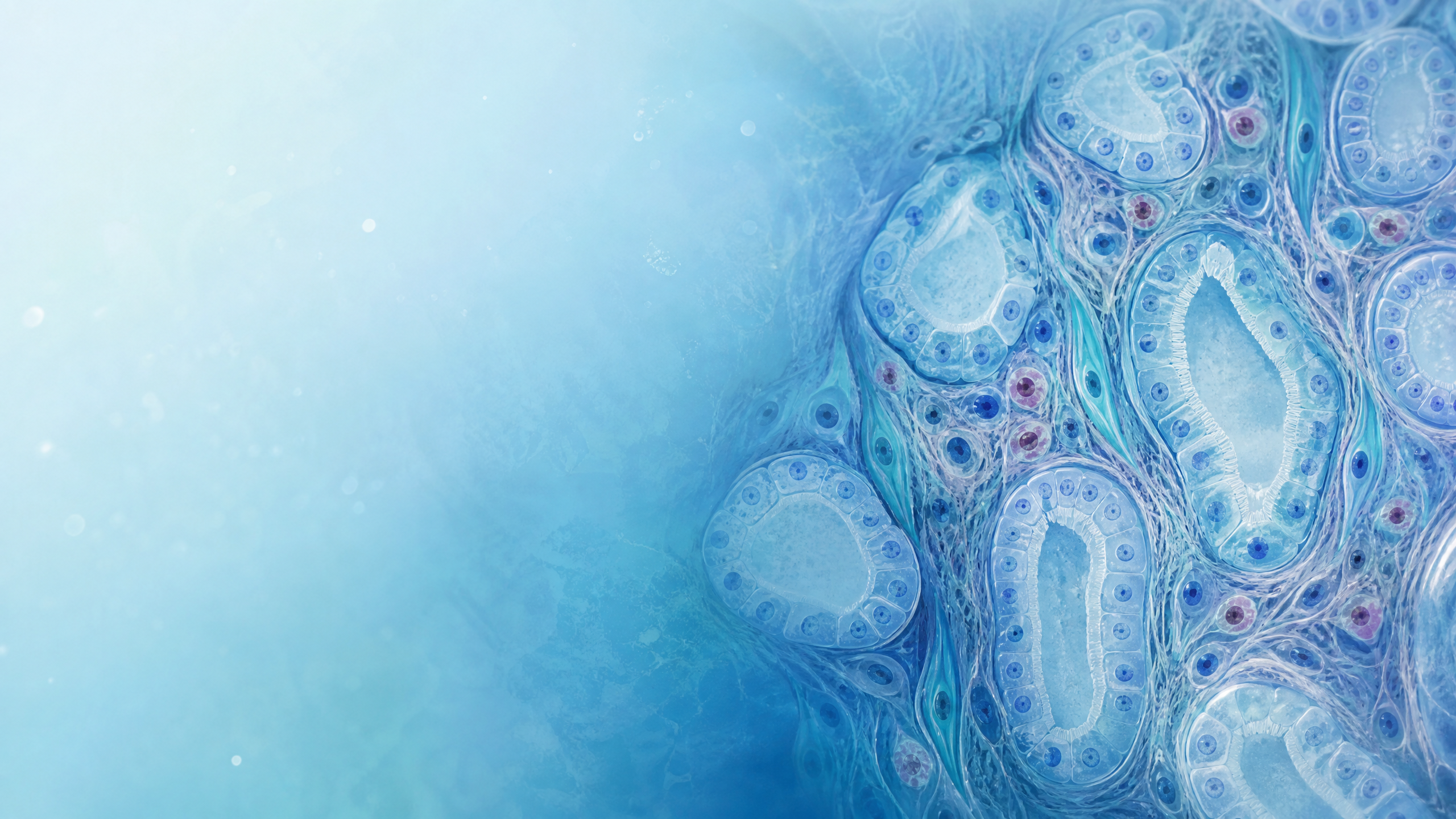
- Histopathology of CTID: Microscopic images showing tubular atrophy, interstitial inflammation, and fibrosis.
- Progression of Obstructive Nephropathy: Visualizing the impact of chronic obstruction on kidney structure.
Question 1
Which of the following is a hallmark feature of chronic tubulointerstitial diseases (CTID)?
A) Heavy proteinuria (>3.5 g/day)
B) Predominant glomerular inflammation
C) Progressive damage to renal tubules and interstitium
D) Rapid onset of kidney failure
Answer: C) Progressive damage to renal tubules and interstitium
Explanation: CTID are characterized by chronic inflammation and fibrosis primarily affecting the tubules and interstitium, leading to a gradual decline in kidney function.
Question 2
Which of the following medications is a common cause of drug-induced chronic tubulointerstitial disease?
A) Penicillin
B) Lisinopril
C) Ibuprofen (NSAID)
D) Metformin
Answer: C) Ibuprofen (NSAID)
Explanation: Chronic use of NSAIDs is a well-known cause of analgesic nephropathy, a form of chronic tubulointerstitial disease.
Question 3
A patient with chronic kidney disease presents with polyuria, nocturia, and hyperchloremic metabolic acidosis. Urinalysis shows sterile pyuria. Which of the following is the most likely underlying kidney disorder?
A) Focal Segmental Glomerulosclerosis
B) Membranous Nephropathy
C) Chronic Tubulointerstitial Disease
D) Acute Glomerulonephritis
Answer: C) Chronic Tubulointerstitial Disease
Explanation: Polyuria, nocturia (due to impaired concentrating ability), renal tubular acidosis (hyperchloremic metabolic acidosis), and sterile pyuria are classic features of chronic tubulointerstitial diseases.
Question 4
Which of the following is considered the gold standard for definitive diagnosis of chronic tubulointerstitial diseases?
A) Urinalysis
B) Serum creatinine measurement
C) Renal ultrasound
D) Renal biopsy
Answer: D) Renal biopsy
Explanation: Renal biopsy is essential for definitive diagnosis of CTID, allowing for assessment of inflammation, fibrosis, and identification of specific causes.
Question 5
In the pathophysiology of chronic tubulointerstitial diseases, what is the primary event that leads to progressive scarring?
A) Direct damage to glomeruli
B) Activation of the complement system
C) Persistent inflammation and fibroblast activation in the interstitium
D) Formation of immune complexes in the tubules
Answer: C) Persistent inflammation and fibroblast activation in the interstitium
Explanation: Regardless of the initial insult, chronic inflammation and subsequent activation of fibroblasts leading to excessive extracellular matrix deposition are central to the development of interstitial fibrosis in CTID.
Question 6
Which of the following is a common electrolyte abnormality seen in chronic tubulointerstitial diseases due to impaired tubular function?
A) Hypernatremia
B) Hypokalemia
C) Hypercalcemia
D) Hypoglycemia
Answer: B) Hypokalemia
Explanation: Tubular damage in CTID can lead to impaired potassium reabsorption or increased secretion, resulting in hypokalemia.
Question 7
Which of the following is a key management strategy for chronic tubulointerstitial diseases?
A) Aggressive use of loop diuretics
B) High protein diet
C) Identification and removal of the underlying cause
D) Long-term immunosuppression for all cases
Answer: C) Identification and removal of the underlying cause
Explanation: The most critical step in managing CTID is to identify and eliminate the causative agent or condition, as this can halt or slow disease progression.
Question 8
Which of the following is a common finding on urinalysis in patients with chronic tubulointerstitial diseases?
A) Heavy albuminuria (>3.5 g/day)
B) Red blood cell casts
C) Sterile pyuria
D) Fatty casts
Answer: C) Sterile pyuria
Explanation: Sterile pyuria (white blood cells in urine without bacterial infection) is a characteristic finding in many forms of chronic interstitial nephritis.
Question 9
Which of the following metabolic disorders can lead to chronic tubulointerstitial disease?
A) Hypothyroidism
B) Hyperuricemia (gout)
C) Diabetes insipidus
D) Phenylketonuria
Answer: B) Hyperuricemia (gout)
Explanation: Chronic hyperuricemia can lead to urate nephropathy, a form of chronic tubulointerstitial disease.
Question 10
What is the typical progression of kidney function in chronic tubulointerstitial diseases?
A) Rapid decline over weeks
B) Acute kidney injury with full recovery
C) Slowly progressive decline over years
D) Stable kidney function indefinitely
Answer: C) Slowly progressive decline over years
Explanation: CTID are characterized by a gradual and progressive loss of renal function, often over many years, leading to chronic kidney disease.
🎤 POWERPOINT PRESENTATION
[Link to interactive presentation slides covering all Chronic Tubulointerstitial Diseases concepts with visual aids and animations]
Slide Outline:
- Title Slide: Chronic Tubulointerstitial Diseases – Understanding and Managing Renal Tubular and Interstitial Injury
- Learning Objectives: What students will master
- Introduction: Definition, Key Characteristics, Importance
- Causes and Risk Factors: Comprehensive list of etiologies (drugs, obstruction, metabolic, systemic)
- Pathophysiology: Mechanisms of tubular injury, inflammation, and interstitial fibrosis
- Clinical Presentation: Insidious onset, tubular dysfunction symptoms (polyuria, nocturia, RTA), non-nephrotic proteinuria
- Diagnostic Approach: Laboratory findings (urinalysis, electrolytes), imaging, and the role of renal biopsy
- Management Strategies: Identification and removal of cause, immunosuppression (if indicated), supportive care
- Prognosis: Factors influencing outcome, progression to ESRD
- Clinical Pearls: Diagnostic, Management, and Patient Education Tips
- Summary: Key Takeaways for Chronic Tubulointerstitial Diseases
- Assessment: Quick review questions
This educational content is original material created for NephroHub, synthesizing established knowledge on Chronic Tubulointerstitial Diseases while respecting all copyright considerations. All images are properly licensed or created specifically for educational use.
Visual Learning Workflow
